Unlocking the potential of artificial intelligence in image processing.
Master the art of digital stealth! Discover clever tricks to outsmart eavesdroppers and protect your privacy online.
In today’s hyper-connected world, safeguarding your privacy has become increasingly challenging yet essential. With every click, share, and login, you expose yourself to potential data breaches and misuse of your personal information. Here are 10 tips to help you protect your privacy effectively:
Implementing these 10 privacy tips can significantly reduce your risk of falling victim to privacy violations. Remember, in a world where data is currency, taking proactive steps to protect your information is not just wise—it's necessary for maintaining your personal security and peace of mind. Keep these suggestions in mind as you navigate the digital landscape, and empower yourself to reclaim control over your personal data.

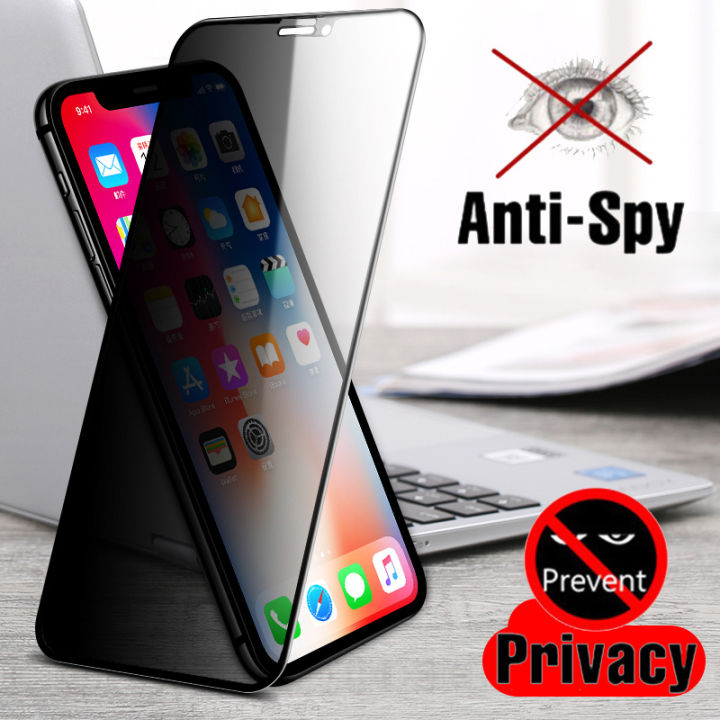
Counter-Strike is a popular first-person shooter game that has captivated millions of players worldwide. It features intense team-based gameplay where players can choose to be either terrorists or counter-terrorists. The game not only requires sharp shooting skills but also strategic thinking and teamwork to succeed. For those interested in optimizing their gaming experience, you might also want to check the Top 10 iPhone privacy screen protectors to keep your devices secure.
In today's digital age, the risk of having eavesdropping devices in your home is a growing concern. Detecting these devices requires a keen eye and some basic knowledge of the common signs to look for. Start by conducting a thorough visual inspection of your surroundings. Common areas to check include behind furniture, electrical outlets, and near appliances. Additionally, if you notice any unfamiliar wires or devices, it's imperative to investigate further. Using a radio frequency (RF) detector can also help you identify hidden surveillance devices by picking up their signals. Regularly scanning your living space can significantly minimize the risk of unauthorized surveillance.
Once you've identified potential eavesdropping devices, the next step is to disable them effectively. If you find a device that you've confirmed to be suspicious, removing it is crucial. Disconnect the power source and, if applicable, the batteries. If you're uncertain about the device's purpose, consider seeking professional assistance to ensure it’s completely neutralized. Moreover, enhancing your home's security can deter future intrusions. This includes measures like installing security cameras, using window and door alarms, and educating family members about privacy practices. Staying proactive about your home’s security is essential for maintaining peace of mind.
The idea that your smartphone might be spying on you can be unsettling, but it's a concern that many people share. Various signs may indicate that your device is monitoring your activity without your knowledge. For instance, if your battery drains rapidly or your data usage spikes unexpectedly, it might be due to apps running in the background, collecting data. Additionally, if you notice unfamiliar ads that directly relate to conversations you've had, it could be a strong indicator that your smartphone is indeed listening to you. Other signs to watch for include:
If you’re concerned about your smartphone spying on you, there are several solutions to enhance your privacy. First, review your app permissions and revoke any that seem excessive or unnecessary. For example, why does a simple game need access to your contacts? Additionally, consider using privacy-focused apps, which can help minimize data collection. Regularly updating your phone's operating system is also crucial, as updates often include important security patches. Finally, you might want to disable voice-activated features unless needed, as these can inadvertently record audio. Taking these steps can help you regain control and ensure your smartphone isn’t infringing upon your privacy.