Unlocking the potential of artificial intelligence in image processing.
Discover expert tips to master the art of sitting comfortably and keep your sanity intact. Your back will thank you!
When it comes to creating an optimal workspace, ergonomic seating is paramount. Comfortable seating not only enhances physical well-being but also boosts productivity. A well-designed ergonomic chair supports your posture by promoting a natural spinal alignment, reducing the risk of back pain and discomfort during long hours of work. Investing in quality ergonomic seating can lead to significant improvements in focus and efficiency. According to studies, individuals who utilize ergonomic furniture experience less fatigue and heightened levels of energy throughout the day.
Choosing the right ergonomic seat involves considering various factors, including adjustability, material, and support features. Here are some key elements to look for:
By prioritizing these features, you can create a productive environment that caters to your needs while promoting overall health.

Counter-Strike is a highly popular first-person shooter game that has captivated millions of players worldwide. It focuses on team-based gameplay, where players assume the roles of terrorists and counter-terrorists. Many gamers enjoy enhancing their gaming experience with various peripherals and tools, such as the Top 10 MacBook Air accessories that can optimize performance and comfort during intense matches.
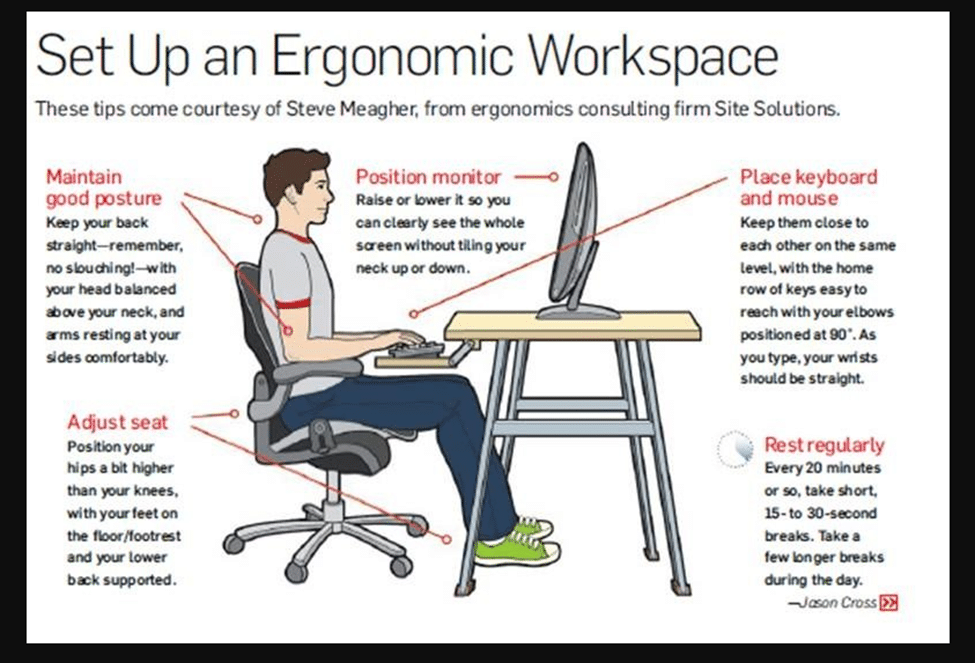
When it comes to maintaining a healthy workspace, many individuals unknowingly fall into common ergonomic mistakes that can lead to discomfort and even long-term injuries. One of the most prevalent errors is sitting with poor posture. Slouching or leaning forward while seated can strain your back and neck. To correct this issue, invest in an ergonomic chair that supports your lower back, and adjust your desk height so your elbows are at a 90-degree angle while typing. Additionally, ensure your monitor is eye level to prevent unnecessary neck strain.
Another frequent mistake is the incorrect placement of frequently used items. For example, reaching for your mouse or keyboard can lead to repetitive strain injuries. To fix this, organize your workspace by keeping all essential tools within arm's reach. Consider using an ergonomic keyboard and mouse that promote natural wrist positioning. Lastly, remember to take regular breaks to stretch and move around, as this will help mitigate the effects of prolonged sitting and reinforce overall ergonomic health.
Many people underestimate the impact of their chair on their overall health, but it can play a significant role in poor posture and back pain. If you find yourself slouching, leaning forward, or frequently shifting in your seat, these could be early signs that your chair is not supporting your body correctly. Key indicators include back pain that worsens throughout the day, frequent discomfort in your neck or shoulders, and even fatigue or headaches. If you recognize these symptoms, it's time to assess your seating situation and make necessary changes.
To help you determine if your chair is harming your back, consider the following signs: