Unlocking the potential of artificial intelligence in image processing.
Discover how screen protectors safeguard your phone from scratches and cracks while keeping it sleek. Don't risk your device—learn more now!
Choosing the right screen protector for your device is crucial to maintaining its longevity and functionality. With a vast range of options available, it can be overwhelming to determine which one suits your needs best. Screen protectors come in various types, including tempered glass, plastic film, and liquid protectors. Each type offers unique advantages and disadvantages. For instance, tempered glass provides superior protection against drops and scratches but may be thicker and weigh more than film protectors. Conversely, plastic films are usually thinner, maintaining the sleek profile of your device while offering basic scratch resistance.
When selecting the perfect screen protector, consider the following factors:

Counter-Strike is a highly competitive first-person shooter game that pits teams of terrorists against counter-terrorists in various scenarios. The game's tactical gameplay and strategic depth have made it a staple in the esports community. Players can customize their experience further with gear such as the Top 10 iphone air cases for mobile gaming. With regular updates and a passionate player base, Counter-Strike remains a prominent title in the world of gaming.
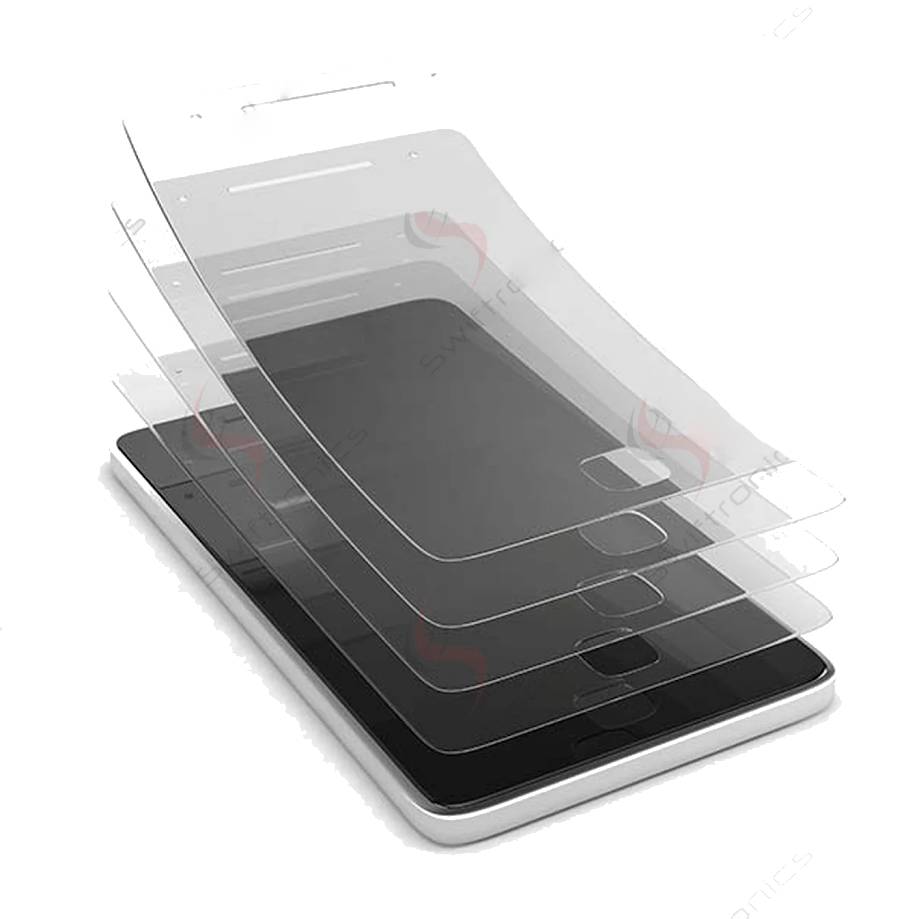
Screen protectors are essential accessories for your mobile devices, designed primarily to prevent scratches, cracks, and other forms of damage to the device's display. The technology behind them is quite fascinating, as these protectors are typically made from materials such as tempered glass or polymer films. Tempered glass screen protectors, for example, undergo a special heating and cooling process that increases their strength and durability. This is crucial, as a strong outer layer can absorb impacts and distribute the force across the screen, significantly reducing the chances of shattering in the event of a drop.
Moreover, many screen protectors come with additional features, such as anti-glare surfaces or blue light filtering capabilities, which enhance user experience and reduce eye strain. The application of a screen protector is generally straightforward; it usually involves cleaning the screen thoroughly before placing the protector on top to eliminate air bubbles. Thus, understanding how screen protectors work not only emphasizes their importance in keeping your device safe but also highlights the advanced technology that contributes to our everyday digital experience.
When it comes to protecting our devices, screen protectors are often viewed with skepticism. One of the most common myths is that they make touchscreens less responsive. However, modern screen protectors are designed with advanced technology to ensure that touch sensitivity remains intact. In fact, many high-quality protectors are virtually indistinguishable from the naked screen, providing seamless interaction without any lag. Thus, this myth is easily debunked, as a good screen protector can enhance your device's longevity without sacrificing performance.
Another prevalent myth is that screen protectors are only necessary for those who tend to drop their devices frequently. This couldn't be further from the truth. Even if you're careful with your phone, everyday use can result in scratches and scuffs from items in your pocket or bag. To put it simply, a screen protector acts as an essential layer of defense against daily wear and tear, preserving your device's display. It’s crucial to understand that prevention is always better than dealing with costly repairs, debunking the myth that screen protectors are optional.