Unlocking the potential of artificial intelligence in image processing.
Discover the freedom of wireless charging! Say goodbye to tangled cords and hello to hassle-free power. Unplugged and unbothered, join the revolution!
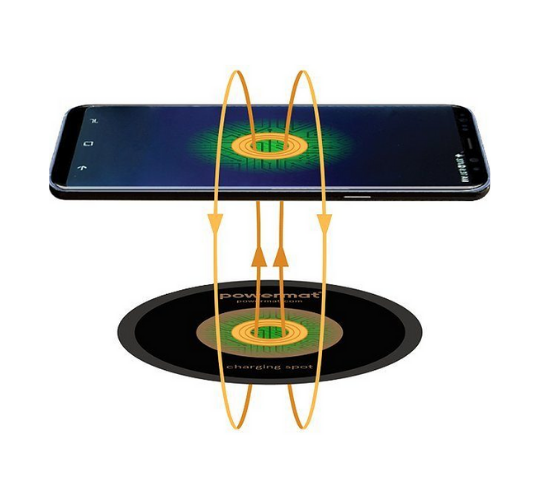
The science behind wireless charging is primarily based on the principle of electromagnetic induction. This process involves two coils: a transmitter coil within the charging pad and a receiver coil located inside the device being charged. When the charging pad is connected to a power source, electrical current flows through the transmitter coil, generating a magnetic field. This oscillating magnetic field then induces an electric current in the receiver coil, which converts the energy back into electrical power to charge the device's battery. For this technology to function efficiently, both coils must be aligned properly, which is why many wireless chargers come with built-in positioning guides.
There are different types of wireless charging technologies, but the most common are Qi (pronounced 'chee') and Resonant charging. Qi is a standard that utilizes induction for small devices like smartphones and smartwatches, ensuring that power transfer occurs over short distances, typically up to a few centimeters. In contrast, resonant charging can deliver energy over larger distances, making it suitable for applications such as electric vehicles. Each technology has its advantages and drawbacks, but they all show the fascinating potential of wireless charging to create a more convenient and cable-free future.

Counter-Strike is a highly popular tactical first-person shooter game that has captivated gamers with its team-based gameplay and strategic depth. Players can choose to fight as terrorists or counter-terrorists, completing various objectives while trying to eliminate the opposing team. Its competitive nature has made it a staple in esports, garnering millions of players and viewers worldwide. For those interested in gaming accessories, check out the Top 10 Nightstand Chargers for Apple Watch for products that enhance your gaming experience.
Switching to wireless charging offers numerous advantages that enhance the convenience of powering up your devices. First and foremost, it eliminates the hassle of tangled cables. No more searching for that elusive charging cable or dealing with frayed connectors. Wireless charging enables you to simply place your device on a charging pad, making the process seamless and straightforward. Additionally, this technology is often designed to work with multiple devices simultaneously, allowing you to charge your smartphone, smartwatch, and other gadgets without the clutter of various cords.
Another significant benefit of wireless charging is its potential for greater longevity of your device's battery. With traditional chargers, the constant plugging and unplugging can lead to wear and tear over time. However, with wireless charging, the friction is minimized, helping maintain the integrity of your phone's charging port. Furthermore, many modern wireless chargers come equipped with advanced technology that optimizes charging speed and efficiency, ensuring your device is charged quickly and safely. This means less time waiting for your devices to power up and more time enjoying their features.
Wireless charging has gained popularity as a convenient alternative to traditional wired methods, but many consumers still question its efficiency. One common misconception is that wireless charging is inherently slower than its wired counterpart. While it’s true that some wireless chargers may have a longer charging time, advancements in technology, such as Fast Wireless Charging, have significantly narrowed the gap. In fact, many modern wireless chargers can deliver power at rates comparable to standard wired chargers, making them a viable option for quick energy top-ups.
Another misconception is that using a wireless charger will harm your device's battery life over time. This concern stems from the idea that heat generation during the wireless charging process can degrade battery health. However, most modern wireless charging pads are designed with thermal management features that help minimize overheating. By ensuring optimal charging conditions and using certified charge pads, users can enjoy the benefits of wireless charging without compromising their device’s longevity.